
Introduction
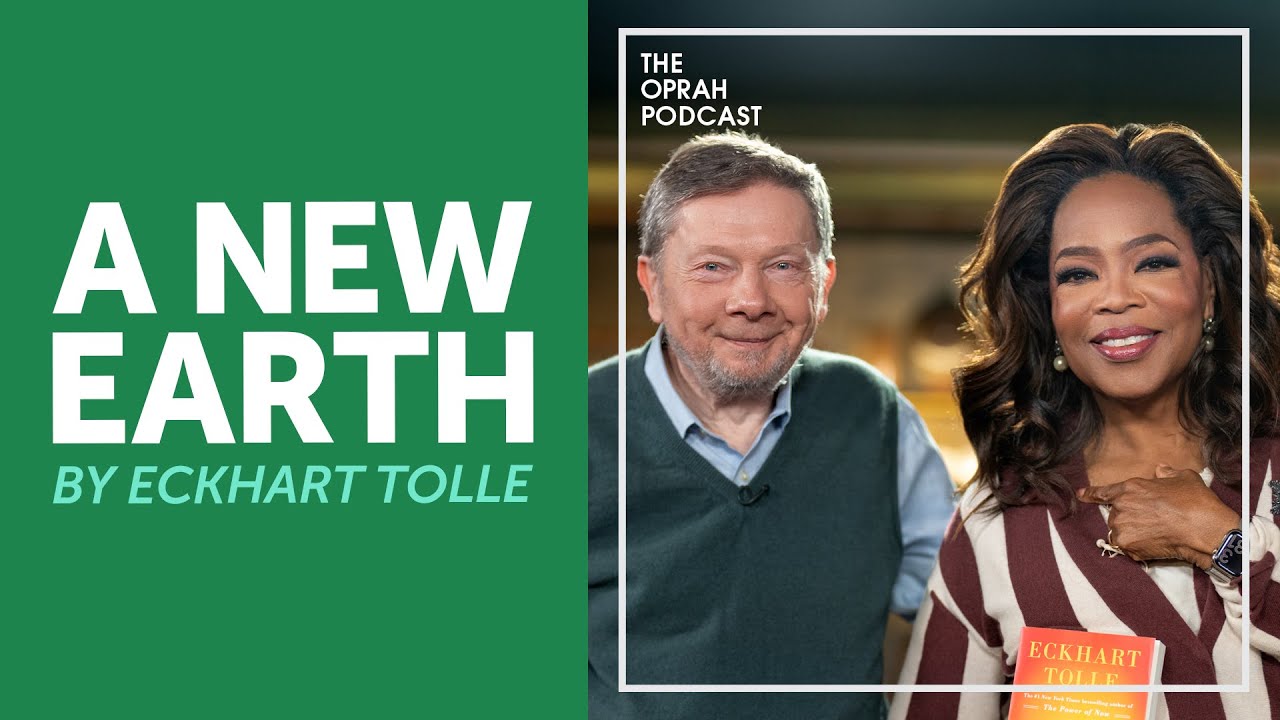
In “A New Earth: Awakening to Your Life’s Purpose,” Eckhart Tolle expands on the concepts introduced in his previous bestseller, “The Power of Now.” Tolle argues that transcending our ego-based state of consciousness is crucial not only for personal happiness but also for ending global conflict and suffering. This summary explores the book’s key ideas, actionable strategies, and real-world applications.
Key Concepts and Strategies
- The Flowering of Human Consciousness
- Core Insights:
- The “normal” state of mind in most humans is dysfunctional.
- This dysfunction is labeled differently across various religions: maya in Hinduism, dukkha in Buddhism, and original sin in Christianity.
- Collective dysfunction manifests as violence and environmental destruction.
- True goodness emerges from a fundamental shift in consciousness, not through trying to be good.
- The ego is the blueprint for dysfunction in every human being.
- Quotes:
- “You do not become good by trying to be good, but by finding the goodness that is already within you and allowing that goodness to emerge.”
- Expanded Insight: Achieving a new state of consciousness involves recognizing and overcoming the ego. This shift leads to genuine transformation and enlightenment, as seen in Hindu, Christian, and Buddhist teachings.
- Core Insights:
- Ego: The Current State of Humanity
- Ego and Identity:
- The ego identifies with physical forms, thought forms, and emotional forms, leading to a sense of separation and suffering.
- The ego is reinforced by complaining, resentment, and labeling, which deepen one’s disconnection from the true self.
- Quotes:
- “Complaining is one of the ego’s favorite strategies for strengthening itself.”
- “Whatever you fight, you strengthen, and what you resist, persists.”
- Expanded Insight: Overcoming the ego involves recognizing its patterns and not identifying with them. Awareness of the ego’s presence is the first step toward diminishing its power.
- Ego and Identity:
- The Core of Ego
- Role-Playing and Identification:
- People often play roles to gain attention and validation, leading to inauthentic relationships and dissatisfaction.
- Shyness and the need for attention stem from the ego’s fear of criticism and desire for approval.
- Quotes:
- “Whenever you feel superior or inferior to anyone, that’s the ego in you.”
- “Non-reaction is not weakness but strength. It is forgiveness.”
- Expanded Insight: Authenticity is achieved by letting go of roles and seeing through the ego’s need for validation. True strength lies in non-reaction and forgiveness.
- Role-Playing and Identification:
- The Pain-Body
- Understanding the Pain-Body: Tolle describes the pain-body as an accumulation of old emotional pain.
- Key Points:
- Activation: The pain-body can be dormant or active, triggered by specific situations or thoughts.
- Feeding on Negative Emotions: It thrives on negative emotions and perpetuates suffering.
- Healing: Awareness and presence are essential in dissolving the pain-body.
- Quotes:
- “The pain-body wants to survive, just like every other entity in existence, and it can only survive if it gets you to unconsciously identify with it.”
- “Every time you are present when it arises, some of its energy burns up and becomes transmuted into Presence.”
- Expanded Insight: Recognizing and disidentifying from the pain-body is crucial for healing. Through conscious presence, one can dissolve accumulated emotional pain and reduce suffering.
- Key Points:
- Understanding the Pain-Body: Tolle describes the pain-body as an accumulation of old emotional pain.
- Breaking Free
- Awakening: Tolle discusses the process of awakening to a new state of consciousness.
- Key Points:
- Disidentification: Step back from thoughts and emotions to see them as temporary and not part of your true self.
- The Power of Now: Living in the present moment frees one from the grip of the ego and the pain-body.
- Acceptance and Surrender: Accepting what is and surrendering to the present moment leads to inner peace.
- Quotes:
- “Realize deeply that the present moment is all you ever have. Make the Now the primary focus of your life.”
- “Surrender is the simple but profound wisdom of yielding to rather than opposing the flow of life.”
- Expanded Insight: Awakening involves living fully in the present moment and disidentifying from the ego and pain-body. Acceptance and surrender to what is can lead to profound inner peace and transformation.
- Key Points:
- Awakening: Tolle discusses the process of awakening to a new state of consciousness.
Real-World Applications
Personal Development
- Self-Awareness and Growth: Focus on becoming aware of the ego’s patterns and not identifying with them.
- Key Points:
- Practice mindfulness to recognize ego-driven thoughts and emotions.
- Develop a habit of self-reflection to deepen self-awareness.
- Real-World Example:
- A manager noticed his tendency to react defensively to feedback. By recognizing this ego-driven pattern, he learned to accept criticism constructively, improving his leadership skills and team dynamics.
- Key Points:
Professional Success
- Awakened Doing: Align your outer purpose (what you do) with your inner purpose (awakening and staying awake).
- Key Points:
- Approach tasks with full presence and attention.
- Focus on the quality of your actions rather than outcomes.
- Real-World Example:
- A teacher applied awakened doing by being fully present during classes, leading to more engaging and effective teaching, which significantly improved student performance and satisfaction.
- Key Points:
Relationships
- Strengthening Connections: Build genuine relationships by letting go of ego-driven behaviors.
- Key Points:
- Practice empathy and active listening.
- Avoid reacting defensively and instead, respond with understanding and compassion.
- Real-World Example:
- A couple improved their relationship by recognizing and addressing their ego-driven conflicts. By practicing empathy and non-reaction, they built a deeper, more harmonious connection.
- Key Points:
Expanded Insights and Applications
Enhancing Personal Development
- Practicing Self-Awareness: Regularly reflect on your thoughts and their impact on your happiness. Use journaling or meditation to gain deeper insights into your thought patterns.
- Key Points:
- Self-awareness is the foundation of personal growth.
- Regular reflection helps identify negative thought patterns.
- Mindfulness practices enhance self-awareness and thought control.
- Key Points:
- Developing Positive Habits: Cultivate habits that reinforce positive thinking and emotional well-being. This can include daily affirmations, gratitude exercises, and reading inspirational material.
- Key Points:
- Positive habits strengthen positive thoughts.
- Daily routines can support mental and emotional well-being.
- Consistency in positive practices leads to lasting change.
- Key Points:
Strengthening Health and Wellness
- Mind-Body Practices: Integrate practices like yoga, tai chi, or mindful breathing exercises to promote mental and physical health.
- Key Points:
- Mind-body practices enhance overall well-being.
- These practices reduce stress and improve mental clarity.
- Regular practice supports physical health and emotional balance.
- Key Points:
- Holistic Health Approach: Adopt a holistic approach to health that includes mental, emotional, and physical well-being. Focus on balanced nutrition, regular exercise, and positive social interactions.
- Key Points:
- Holistic health considers the interconnectedness of mind and body.
- A balanced lifestyle supports comprehensive well-being.
- Positive social interactions contribute to mental health.
- Key Points:
Maximizing Professional Success
- Goal Setting and Visualization: Set clear, achievable goals and use visualization techniques to stay focused and motivated.
- Key Points:
- Clear goals provide direction and purpose.
- Visualization enhances motivation and goal attainment.
- Regularly review and adjust goals to stay aligned with your vision.
- Key Points:
- Building a Positive Work Environment: Foster a positive and supportive work culture by encouraging open communication, collaboration, and recognition of achievements.
- Key Points:
- A positive work environment boosts morale and productivity.
- Open communication fosters trust and collaboration.
- Recognizing achievements motivates and inspires team members.
- Key Points:
Leading with Vision and Purpose
- Inspirational Leadership: Lead by inspiring others with your vision and purpose. Share your goals and encourage your team to align their efforts with the shared vision.
- Key Points:
- Inspirational leaders motivate through vision and purpose.
- Sharing goals fosters a sense of unity and direction.
- Encouraging alignment enhances team cohesion and performance.
- Key Points:
- Empowering Others: Empower team members by providing opportunities for growth, offering constructive feedback, and fostering a culture of continuous improvement.
- Key Points:
- Empowerment leads to increased engagement and innovation.
- Constructive feedback supports personal and professional growth.
- A culture of continuous improvement drives long-term success.
- Key Points:
Conclusion
“A New Earth” by Eckhart Tolle offers a profound exploration of how transcending the ego can lead to personal and global transformation. Tolle’s teachings emphasize the importance of self-awareness, presence, and authentic living. By applying these principles, individuals can achieve a fulfilling life and contribute to a more conscious and harmonious world.
Watch the video