
Breakfast with Buddha
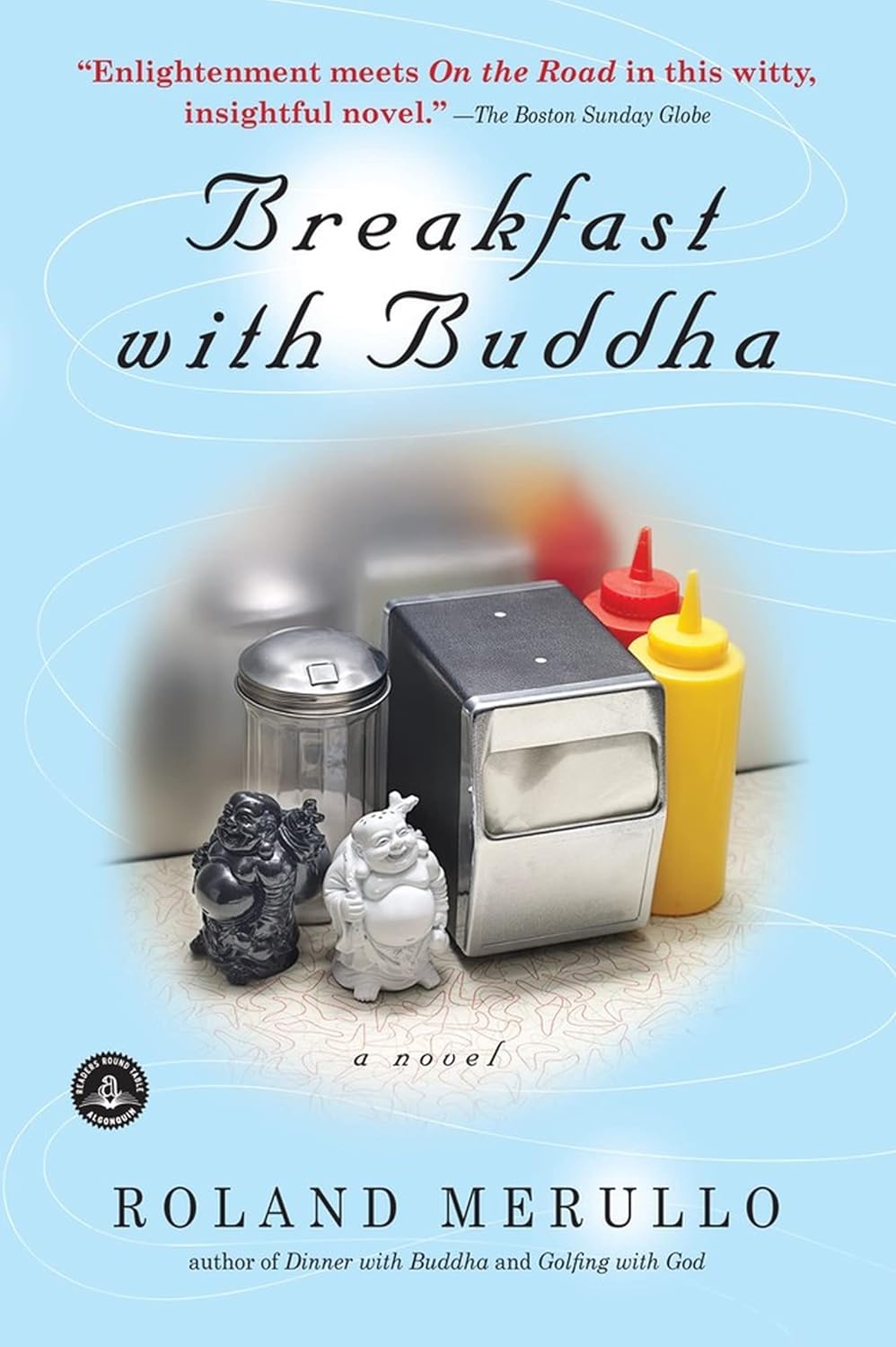
Breakfast with Buddha
Why this book stays with you
Some books teach. Others sneak up on you.
Breakfast with Buddha looks like a simple road-trip story. It’s not. It’s a quiet confrontation with how you’re living your life. No lectures. No grand framework. Just two men in a car—one tightly wound, the other deeply at ease.
And somewhere along the miles, you start to see yourself.
The Story—But More Importantly, The Tension
Otto Ringling is a practical man. Structured. Skeptical. Grounded in routine. He’s the kind of person who trusts what he can measure.
Then he meets Volya Rinpoche—a Buddhist monk with a disarming calm and a habit of asking questions that don’t have easy answers.
They travel across the country together.
One is trying to control life.
The other has let go of controlling it.
That’s the real story.
The Core Idea: Life Is Not a Problem to Solve
Otto spends most of his life trying to manage outcomes—career, family, expectations. He’s doing what most leaders do.
Optimizing. Planning. Fixing.
Volya introduces something different.
Presence.
Not passive. Not disengaged. Just fully here.
“What if you stopped trying to solve everything?”
That question changes the direction of the book—and if you’re paying attention, it starts to change you too.
Key Themes That Matter
1. Control Is an Illusion
We build systems, strategies, contingency plans. And still, life moves the way it wants.
Volya doesn’t argue this. He lives it.
The insight isn’t that control is bad. It’s that over-reliance on control creates anxiety, not security.
How much of your day is spent trying to control things you can’t?
2. Presence Is a Discipline
This isn’t about sitting on a mountaintop.
It’s about paying attention. Fully.
To a conversation. A meal. A moment.
Most people aren’t distracted because they’re busy.
They’re distracted because they’ve trained themselves to be.
Presence takes effort. At first.
3. Your Identity Is Not Fixed
Otto believes he knows who he is. Then the trip begins.
Slowly, that certainty softens.
Volya doesn’t push change. He creates space for it.
That’s the shift. Real change rarely comes from force. It comes from awareness.
Who are you when you’re not holding so tightly to your role?
4. Meaning Comes from Attention, Not Achievement
Otto has done the right things. Built the right life.
But something feels off.
Volya never chases meaning. He experiences it.
There’s a difference.
Achievement asks, “What’s next?”
Attention asks, “What’s here?”
5. Letting Go Is Not Giving Up
This is where most people resist.
Letting go feels like weakness. Like losing control.
It’s not.
It’s choosing not to carry what isn’t yours to carry.
That takes strength.
A Few Lines That Land
“We’re always rushing to the next thing. Why?”
“You don’t need to figure everything out.”
“Peace is not somewhere else.”
Simple. Direct. Hard to ignore.
What This Looks Like in Real Life
I’ve watched leaders burn themselves out trying to manage every variable—people, outcomes, perception.
It never works long term.
The leaders who sustain themselves—and their organizations—learn something different.
They stay grounded.
They listen more.
They react less.
They don’t lose ambition. They lose unnecessary tension.
That’s the shift this book points toward.
Reflection Questions
- Where are you trying to control outcomes that are simply not controllable?
- When was the last time you were fully present in a conversation—no distraction, no agenda?
- What part of your identity are you holding onto that may no longer serve you?
- Are you chasing meaning through achievement instead of experiencing it in the moment?
- What are you carrying right now that you could choose to set down?
- How often do you pause long enough to notice your own life?
- If nothing changed externally, could you still find peace internally?
Media & Related Content
- No major film adaptation
The story is intimate and reflective—hard to translate cleanly to film without losing its depth. - Related Works by Roland Merullo
The sequel (Lunch with Buddha) continues the journey. Worth reading if this one resonates. It deepens the same themes without forcing them. - Talks and Interviews with Roland Merullo
His interviews mirror the tone of the book—thoughtful, grounded, and quietly insightful. Not flashy. Real.
About the Author
Roland Merullo is an American author known for blending fiction with spiritual exploration. His work often centers on ordinary people encountering deeper questions about meaning, faith, and identity.
He doesn’t preach.
He observes.
That’s why the message lands.
Final Thought
You don’t need a cross-country trip to face these questions.
But you do need to slow down long enough to ask them.
Most people won’t.
They stay busy instead.
You don’t have to.
Start paying attention.
Start letting go of what doesn’t matter.
See what changes.
