
A Walk In The Wood: Meditations on Mindfulness with a Bear Named Pooh
Introduction
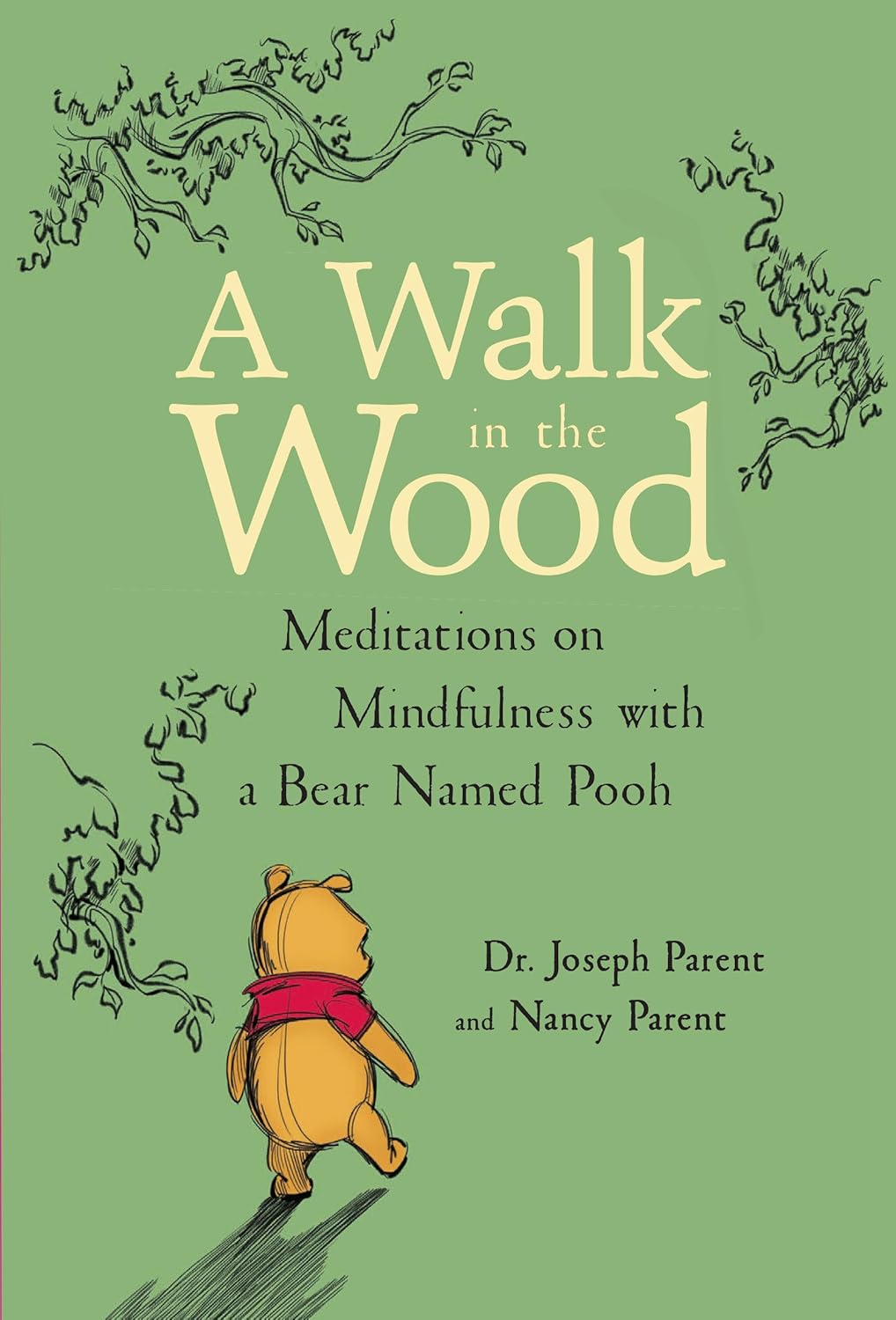
A Walk in the Wood book is a gentle, practical guide to mindfulness told through the easy wisdom of Winnie the Pooh. The book walks us—literally—through simple moments of breathing, noticing, and moving at a human pace, turning everyday life into a place to reset attention and mood.
In two or three pages at a time, the authors show how tiny shifts (one mindful breath, one mindful step, one kind response) change the feel of a whole day. A Walk in the Wood focuses on what you can use right away: presence over hurry, kindness over judgment, and single-tasking over scattered effort.
Why this book matters for business owners and leaders
Work can be noisy: meetings stack up, decisions pile in, and nerves get frayed. This book gives leaders a pocket tool for calm, clear attention. When we slow down enough to actually notice what’s happening—our breath, our body, the person in front of us—we make steadier calls, communicate more cleanly, and create a kinder culture people want to be part of.
It’s also realistic. The practices are small and repeatable: a breath before you speak, a short mindful walk between meetings, a habit of kindness when tensions rise. This A Walk in the Wood book introduction translates those ideas into moves any manager or founder can model and scale.
Big ideas & themes
-
Be present, be kind: Two anchors that steady decisions and relationships.
-
Mindful walking: Use movement to reset attention and energy.
-
One thing at a time: Single-tasking beats multitasking for quality and sanity.
-
Equanimity: Meet stress with steadiness rather than control.
-
Tiny practices, big impact: Consistency over intensity.
Key quotes (short and memorable)
-
“Be present. Be kind.”
-
“It’s not about doing more; it’s about noticing more.”
-
“One step, one breath, one thing at a time.”
-
“Calm is a choice we can practice.”
Top 7 takeaways (from this A Walk in the Wood book summary)
-
Presence is a performance edge: Attention improves judgment, tone, and trust.
-
Kindness compounds: Small acts reduce friction and make feedback easier to hear.
-
Single-tasking wins: Protect focused blocks; context switching is costly.
-
Breathe before you brief: One slow breath steadies your next sentence.
-
Walk to think: Short, phone-free walks refresh creativity and perspective.
-
Respond, don’t react: Name the feeling, then choose the next best move.
-
Make it tiny: Daily micro-habits beat occasional big pushes.
How to apply it to your leadership/management/life
-
The Pooh Pause: Before any meeting or message, take three breaths and set one intention (e.g., “listen first”).
-
Focus blocks: Work in 45–60 minute single-task sprints, then take a five-minute mindful walk.
-
Kindness as a habit: End each day with one specific thank-you or helpful note.
-
Walking 1:1s: Do at least one weekly one-on-one as a no-phone walk.
-
Stress reset: When triggered, silently label the feeling (“anxious,” “tense”), breathe, then speak.
Suggested next steps (call to action)
-
Read one short chapter per day and practice the exercise immediately afterward.
-
Share this A Walk in the Wood book summary with your team and adopt the Pooh Pause for 30 days.
-
Schedule recurring walking meetings and protect two focus blocks on your calendar daily.
Conclusion
A Walk in the Wood is a small book with a big payoff: a calmer mind, clearer choices, and a kinder culture. Use the simple moves—breath, step, attention—to lead with steadiness and to live your day at a pace that actually works.