
The Road Less Traveled
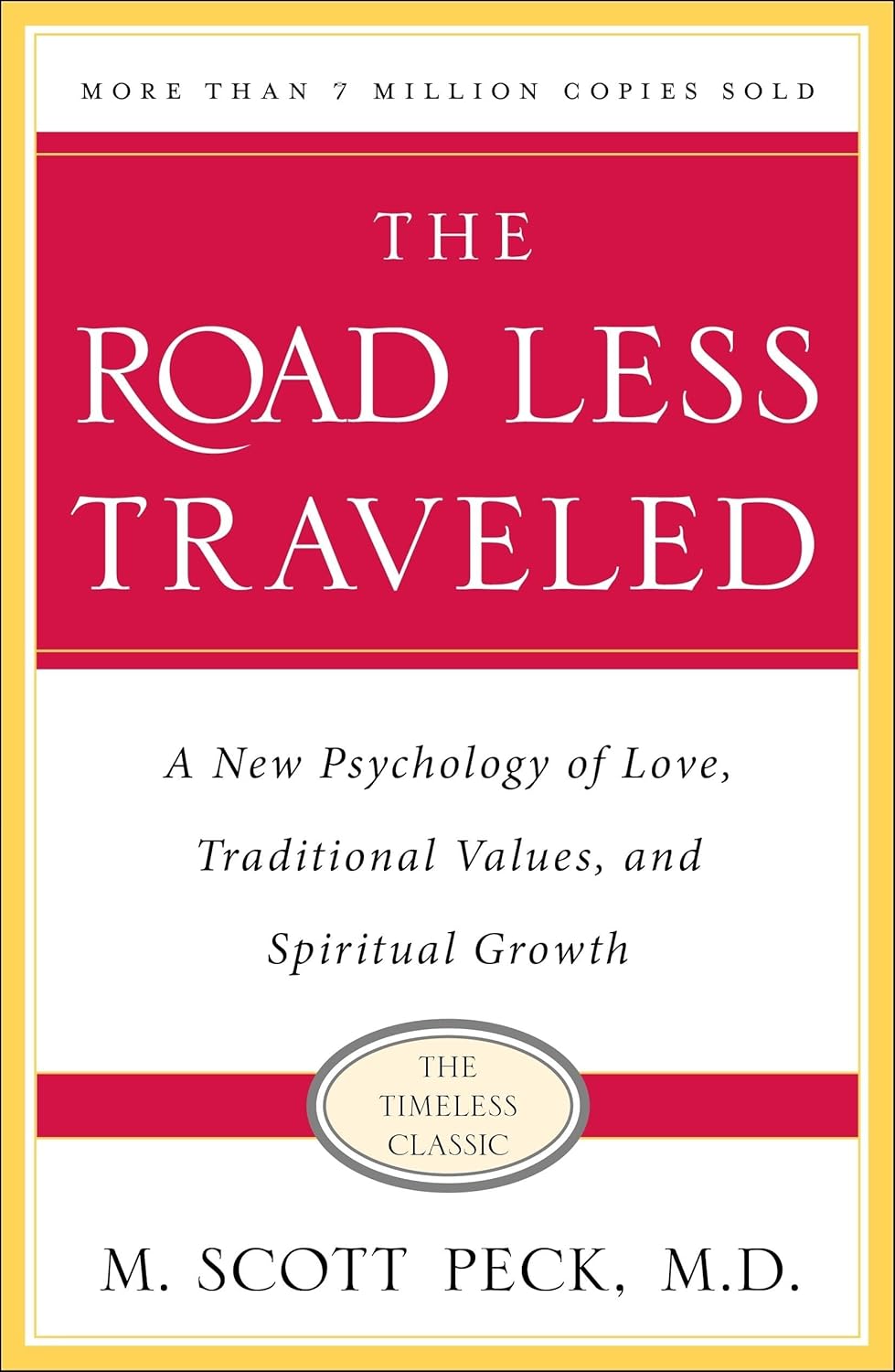
The Road Less Traveled — What It Demands of You
M. Scott Peck opens with a line that most people want to argue with:
“Life is difficult.”
He doesn’t soften it. He builds on it.
The entire book is about what happens when you stop resisting that truth and start working with it. That shift changes everything.
The Core Idea: Growth Requires Discipline
Peck is clear. Personal and professional growth doesn’t happen by accident.
It requires discipline. Real discipline.
Not intensity. Not motivation. Discipline.
He breaks it down into four practices:
1. Delaying Gratification
Do the hard thing first.
Most people reverse it. They chase comfort now and pay for it later. Leaders don’t.
They absorb short-term pain to create long-term stability.
2. Accepting Responsibility
You can’t solve a problem you won’t own.
Blame feels good. It protects the ego. It also keeps you stuck.
Peck draws a clean line—growth begins the moment you say, “This is mine to fix.”
3. Dedication to Truth
Most people don’t want the truth. They want comfort.
Truth requires constant adjustment. It means updating your beliefs when reality disagrees.
That’s hard work. But it’s the only way to make sound decisions over time.
4. Balancing
Life is tension.
Competing priorities. Conflicting demands. No perfect answers.
Peck argues that maturity is the ability to hold that tension—and make thoughtful choices anyway.
Problems Are Not the Enemy
This is where the book sets itself apart.
Most people spend their lives trying to avoid problems.
Peck flips it.
Problems are the path.
“It is in the whole process of meeting and solving problems that life has its meaning.”
No problems? No growth.
You don’t eliminate them. You get better at facing them.
Love Is Work, Not a Feeling
Peck’s definition of love is one that most people resist.
Love is not an emotion. It’s an action.
“The will to extend oneself for the purpose of nurturing one’s own or another’s spiritual growth.”
That means:
-
Love requires effort
-
Love requires discipline
-
Love requires confrontation
Real relationships demand growth from both people. That’s uncomfortable. That’s why most people avoid it.
The Trap of Avoidance
Avoidance is the silent killer in this book.
-
Avoiding problems
-
Avoiding responsibility
-
Avoiding truth
-
Avoiding difficult conversations
It feels easier in the moment.
It compounds over time.
Peck makes it clear: the pain you avoid now doesn’t disappear. It grows.
Where This Lands for Leaders
If you’re leading anything—a business, team, or family—this book gets practical fast.
You see it in:
-
Leaders who delay hard decisions
-
Teams that avoid accountability
-
Cultures built on comfort instead of truth
-
Relationships that stay shallow to avoid conflict
Discipline isn’t about control.
It’s about clarity.
And clarity drives results.
A Few Lines Worth Holding Onto
“Life is difficult.”
“We must accept responsibility for a problem before we can solve it.”
“Love is as love does.”
Simple. Direct. Hard to live.
Reflection Questions
Sit with these. Don’t rush them.
-
Where are you choosing comfort over responsibility?
-
What problem are you avoiding right now?
-
Where are you telling yourself a story instead of facing the truth?
-
How often do you delay short-term pleasure for long-term gain?
-
Are your relationships built on honesty—or convenience?
-
Where do you need to have a difficult conversation?
-
What would change if you fully accepted that life is difficult?
About the Author
M. Scott Peck was a psychiatrist who spent years working with people struggling through real problems—marriage, identity, responsibility, purpose.
He didn’t write theory. He wrote what he saw.
That’s why the book feels grounded. And why it still holds up decades later.
If You Take One Thing
Most people are looking for an easier path.
This book doesn’t offer one.
It offers a better one.
Harder upfront.
Stronger over time.
You don’t grow by avoiding difficulty.
You grow by facing it—directly, consistently, and with discipline.
That’s the road.
And most people won’t take it.