
Parenting Advice: Give Your Kids Some Breathing Room
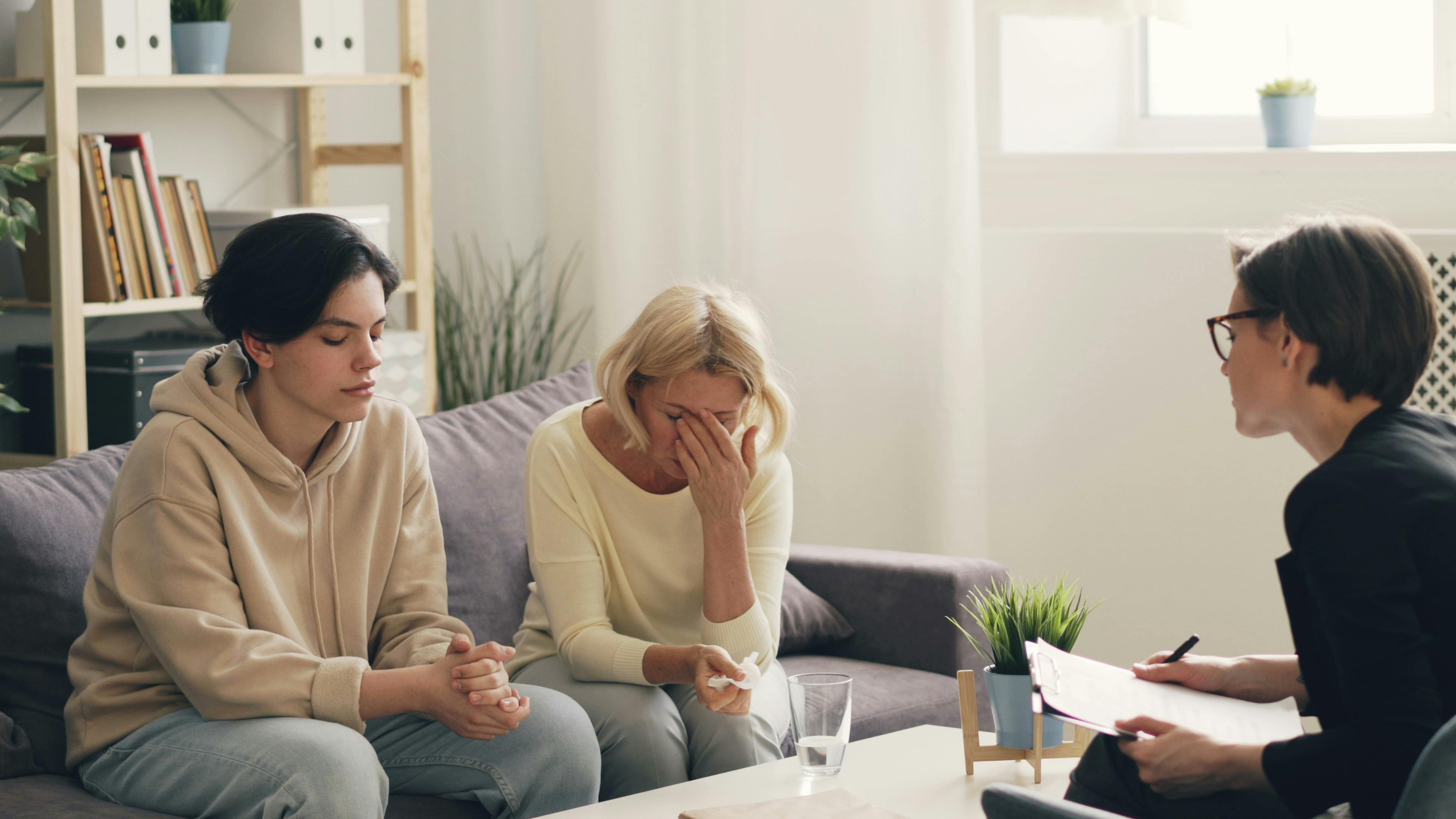
Introduction: The New Reality of Parenting
Childhood today looks very different than it did a generation or two ago. Between participation trophies, endless youth leagues, and social media highlight reels, kids are feeling the pressure to perform instead of play — and parents are carrying an exhausting sense of responsibility to make sure every moment counts.
Many moms and dads I talk to are stretched thin, exhausted, and secretly wondering whether all this intensity is doing their kids any good. They’re showing up everywhere—every game, every performance, every club event—trying to be the ever-present support system their kids “need.”
But here’s the truth: kids don’t need us to be everywhere. They need us to believe they can stand on their own. There’s a difference between being involved and being omnipresent. When we blur that line, we risk raising kids who are over-scheduled, under-confident, and emotionally unprepared for real life.
Being Present Without Being Omnipresent
Look, I don’t think most parents are controlling. In fact, I believe most of this comes from love— deep, genuine love. We want our kids to succeed, and we want them to know we care. However, when this love transforms into unwavering involvement, it can transform into a completely different kind of bond: dependency.
When parents are always in the stands, always fixing problems, always managing emotions, we unintentionally teach our kids that they can’t handle life without us. It’s like giving them emotional training wheels — but never taking them off.
The truth is, one day we won’t be there to pick up the pieces. If we never let them fall and recover alone, how will they learn to do it without us?
Sometimes love looks like stepping back and letting them wobble a bit. It’s in those moments—the scraped knees, the missed shots, and the hurt feelings— that resilience takes root.
Their Hero’s Journey Begins Without You
At some point, every child begins their own hero’s journey — that unpredictable, often messy transition from dependence to independence. And it’s not supposed to be easy.
They will encounter teachers who don’t understand them, friends who let them down, bosses who fail to praise every effort, coworkers who frustrate them, and clients who pose challenges. They’ll have successes and setbacks, wins and losses, and moments of self-doubt. They’ll need to learn that the world doesn’t revolve around them — and that’s not cruelty; it’s reality.
As parents, our instinct is to protect them from pain, but pain is a great teacher. Growth doesn’t happen in the bubble of constant reassurance. It happens in the moments they realize, “I can do this—even without Mom or Dad here.”
That’s adulthood. And the earlier they start practicing it, the better prepared they’ll be to handle it.
Lessons From My Own Parenting
I’ll be the first to admit — I’m not a perfect parent. I’ve made plenty of mistakes. I’ve hovered. I’ve over-helped. I’ve made decisions for my kids that, in hindsight, I should’ve let them make for themselves.
But I’ve also learned that parenting is a constant evolution. Some of my proudest moments have been when my kids stopped looking to me for direction and started charting their own paths. When they began forming their individual identities, making their own choices, and architecting their own lives—that’s when I knew I was doing something right.
When I stepped back, they stepped up.
That doesn’t mean I disappeared — it means my role changed. I transitioned from being the director to an advisor. I remained present, still cheering, still prepared to catch them should they genuinely fall — but I was not dictating every move or rescuing them from every challenge. They developed social skills and coping mechanisms without my constant presence. They formed an identity without the gaze of my ever-watchful eye.
That’s the beautiful (and humbling) truth of parenting: our job isn’t to script their lives. It’s to give them the courage and confidence to write their own.
Why Breathing Room Matters
We don’t have to guess about this—the research is clear. Children need breathing room to develop confidence, self-regulation, and independence. When they don’t get that space, the effects can last well into adulthood.
A meta-analysis of 53 studies found that helicopter parenting is consistently associated with higher levels of anxiety and depression, lower academic adjustment, and weaker self-efficacy – meaning kids are less confident in their ability to handle challenges (Padilla-Walker & Nelson, 2024, Journal of Child and Family Studies).
Another study involving 461 college students found that helicopter parenting indirectly contributed to anxiety, depression, and poorer physical health by undermining self-efficacy—the belief that “I can handle this” (Reed et al., 2016, Journal of Child and Family Studies).
Researchers at West Virginia University found that overinvolved parenting correlates with lower mastery, weaker self-regulation, and higher depression — clear signs that kids aren’t developing the internal toolkit they’ll need to thrive independently (WVUToday, 2019).
A 2022 study in Behavioral Sciences found a connection between excessive parental involvement and reduced self-control, leading to burnout, emotional exhaustion, and lower life satisfaction among young adults (Kouros et al., 2022, Behavioral Sciences).
The pattern is undeniable: when we overmanage childhood, we underprepare adulthood.
Kids who grow up without breathing room might look successful in the short term—top grades, packed schedules, and constant achievement— but internally, many are anxious, uncertain, and dependent on external validation. The real goal isn’t to raise high-performing children; it’s to raise high-functioning adults. And, please remember a certain amount of downtime is a good thing for the body and mind.
Don’t Make Parenting Look Like A Chore
Here’s something I’ve noticed lately that worries me. More and more young adults tell me, “Parenting looks exhausting. I’m not sure I want that life.”
That hits hard, doesn’t it? Because I get it. From the outside, modern parenting looks like an endless grind — no rest, no space, and no balance. If that’s the model we’re presenting, it’s no wonder the next generation is hesitant to follow in our footsteps.
We shouldn’t make parenting seem so demanding that our own children decide it’s not worth doing. They should view parenting as a challenging yet enjoyable job, rather than something that consumes all their discretionary time (and money).
Let’s show them that it’s possible to raise great kids and have a healthy marriage, a fulfilling career, and a balanced life. Let’s teach them that love and independence aren’t opposites — they’re partners.
A Better Model for Love
Here’s the truth: our kids don’t need perfect parents—they need present, imperfect ones who show them what real adulthood looks like. They need to see us managing trade-offs, juggling responsibilities, and still finding meaning in the mess.
I’ve learned that love doesn’t always mean hovering—sometimes it means trusting. Trusting that you’ve done your job well enough that your kids can handle what comes their way. You must have faith in their ability to stumble, rise, and overcome obstacles. Occasionally, they won’t win the trophy or make the team, and that’s okay.
That’s what real love looks like — giving your kids the gift of independence and the safety net of your belief in them. They shouldn’t need you in the audience to bring their best foot forward.
So, take a breath. Step back. Let them fail. Let them discover their internal strength. Because one day, when you see them standing tall—confident, capable, and kind—you’ll realize that giving them space was the greatest act of love you ever offered.
Conclusion: Raising Adults, Not Children
The goal of parenting isn’t to create perfect kids—it’s to prepare them for an imperfect world.
If we want to raise self-sustaining, thoughtful, adaptable adults, we have to start by giving them room to grow. They need to face disappointment, make choices, live with consequences, and feel both the sting and satisfaction of doing things on their own.
And when they do, we’ll see something remarkable—they won’t just be surviving. They’ll be thriving.
So, give your kids breathing room. Give yourself grace. And remember, the best measure of your parenting isn’t how often you showed up—it’s how well your children can stand on their own when you’re not there.
Reflection Questions
- Have you unintentionally become omnipresent in your child’s life?
- When was the last time your child solved a problem without your help?
- Do your kids see you juggling real-world trade-offs and priorities?
- Does your work or marriage always take a backseat to your kids’ activities?
- What happens when you have to miss an event or game? How do your children react? How does it make you feel?
- What’s one area where you can give your child more independence this week?
- How can you model parenthood as something rewarding — not exhausting and all-encompassing?
- Why do you put so much performance pressure on yourself when it comes to your children? What’s driving this behavior?
