
Getting There: A Book of Mentors
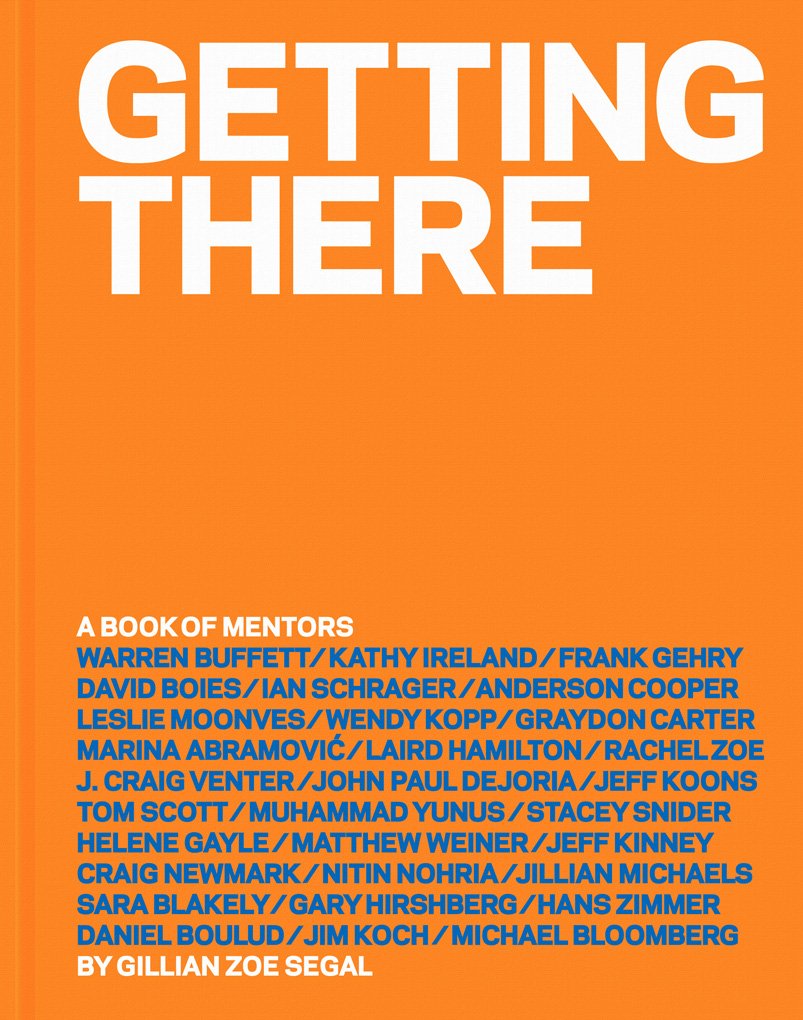
Getting There – Zoe Gillian Segal
What Success Actually Looks Like Up Close
Most people believe that success is a straightforward process—plan, execute, and win.
This book quietly dismantles that idea.
Gillian Zoe Segal compiles conversations with high achievers—Warren Buffett, Sara Blakely, Anderson Cooper, Michael Bloomberg, and others—and what you see, over and over, is this:
There is no straight path.
There is only movement.
The Real Theme: Success Is Messy, Then Clear
When you look backwards, everything looks intentional.
When you’re in it, it rarely is.
The people in this book:
-
Changed directions
-
Failed publicly
-
Took risks without guarantees
-
Stayed longer than others would have
That’s the pattern.
Not brilliance.
Persistence with adjustment.
1. You Don’t Start Ready
Almost no one in this book began with confidence or clarity.
Sara Blakely sold fax machines door-to-door.
Warren Buffett started investing as a kid but built conviction over decades.
Others stumbled into their fields entirely.
They didn’t wait to feel prepared.
They started anyway.
2. Setbacks Are Not the Exception
They’re the structure.
Every story includes moments where things broke:
-
Careers stalled
-
Ideas failed
-
Plans collapsed
What stands out is not that they avoided failure.
It’s that they didn’t assign it a final meaning.
They kept moving.
3. Mentorship Matters More Than You Think
One consistent thread: someone opened a door.
A mentor. A boss. A partner.
Not by accident—but because the person was prepared enough to be worth backing.
That’s the nuance.
You don’t just find mentors.
You become someone worth mentoring.
4. Work Ethic Is Table Stakes
There’s nothing romantic here.
These individuals worked long hours early on, often without recognition.
Not endlessly. But deliberately.
They focused. They stayed with it. They improved.
That’s the difference.
5. Identity Evolves
Many of these people didn’t become who they thought they would be.
They adapted:
-
A journalist becomes an entrepreneur
-
A salesperson becomes a founder
-
A failure becomes a turning point
They didn’t cling to identity.
They updated it.
6. Opportunity Favors the Engaged
Luck shows up in these stories.
But it doesn’t land randomly.
It shows up for people already in motion—working, building, trying.
They were in the room.
That’s why they got the shot.
A Line That Captures It
“Success is not a straight line.”
Simple. Accurate. Easy to ignore.
Reflection Questions
-
Where are you waiting to feel ready before you start?
-
What recent setback have you labeled as permanent?
-
Who could mentor you, and are you worth their time right now?
-
Are you putting in focused effort or just staying busy?
-
What identity are you holding onto that no longer fits?
-
Are you positioned where opportunity can find you?
-
What would “just keep moving” look like this week?
Practical Takeaways
-
Start before you feel ready
-
Stay in motion when things break
-
Build relationships before you need them
-
Focus on steady improvement, not perfection
-
Be willing to change direction without losing momentum
This is not complicated.
It’s just hard to sustain.
Media & Related Content
There’s no major film adaptation of Getting There, but the strength of the book is in the real voices behind it.
Many contributors have extensive interviews worth exploring:
-
Warren Buffett’s annual shareholder meetings (clear thinking, long-term discipline)
-
Sara Blakely interviews (resilience and scrappiness)
-
Michael Bloomberg talks on leadership and execution
These extend the book. They reinforce the same truth.
Success leaves clues.
About the Author
Gillian Zoe Segal is a writer and interviewer known for distilling success through personal stories rather than theory. Her strength is access—bringing together high performers across industries—and then getting out of the way so their experiences speak clearly.
She doesn’t overinterpret.
She lets the patterns emerge.
Final Thought
You don’t need a perfect plan.
You need movement.
You need resilience.
You need to stay in the game longer than most people will.
That’s what this book shows—quietly, consistently, and without illusion.
Keep going.
Adjust when needed.
But don’t stop.