
Leadership: Essential Writings By Our Greatest Thinkers
Introduction
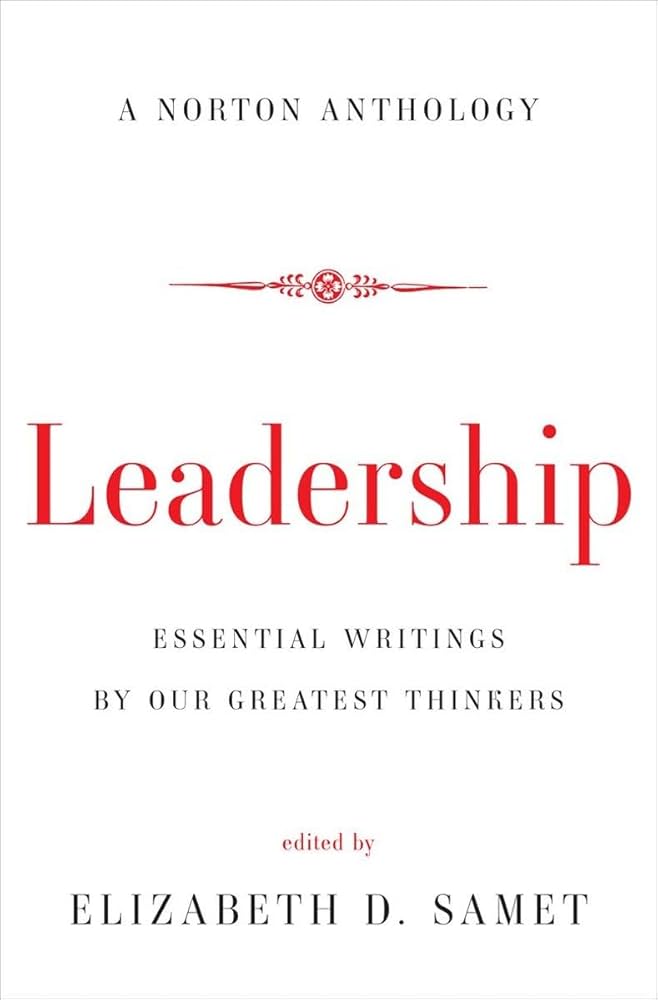
Leadership: Essential Writings by Our Greatest Thinkers is not a leadership guide filled with quick fixes or formulaic frameworks. It’s a collection of extraordinary ideas about what leadership has meant across history, literature, and human experience. Edited by Elizabeth D. Samet, this anthology gathers powerful writings from great thinkers, storytellers, and philosophers so leaders can expand not just what they do but who they are in the world of influence. AbeBooks
This book refuses to reduce leadership to a checklist. Instead, it brings leaders into a conversation with voices from the past and present—ancient, literary, philosophical, and practical—to help you understand leadership as a moral, human craft rather than a set of techniques. With contributions ranging from classic thinkers to contemporary writers, this work reminds leaders that courage, judgment, empathy, and integrity have always been at the heart of true leadership. Google Books
Why This Book Matters for Leaders
Most leadership books tell you what to do. This one asks you to consider who you are doing it as. It matters because leadership isn’t a one-size-fits-all skill set—it’s a set of decisions made by human beings in real contexts with real consequences. Leadership Essential Writings book pushes leaders to think beyond management metrics and performance dashboards, and toward the deeper human truths that shape influence, trust, and moral authority.
For leaders who want more than surface-level guidance, this anthology provokes reflection: What does it mean to lead in the face of tension, complexity, and contradiction? How do values shape action in uncertainty? The answers aren’t simple, but they are essential—and this book places them front and center.
Key Ideas
This Leadership Essential Writings book centers around timeless concepts that every leader eventually confronts:
-
Leadership isn’t just action—it’s interpretation. Great leaders make meaning as they go.
-
Moral responsibility outranks tactical wins. How you lead matters as much as what you accomplish.
-
The best leadership insights come from many voices. Diversity of thought strengthens judgment.
-
Humility is a core strength, not a weakness. Wise leaders know what they don’t know.
-
Crisis reveals character. True leadership is forged under pressure, not in comfort.
Selected Ideas (Instead of Quotes)
Because this is a collection, the power comes from the breadth of voices:
-
From ancient wisdom that asks: What is the purpose of power?
-
To literary passages that show how empathy and courage drive influence.
-
To modern essays that explain failure, responsibility, and resilience.
Collectively, these writings form a deep, historical conversation about leadership itself, not just its techniques.
Top Takeaways
-
Leadership requires courageous reflection, not just courageous action.
-
Ethical judgment is central to influence.
-
Literature and history can teach us what metrics never will.
-
Human character shapes organizational culture before strategy does.
-
Diverse perspectives deepen a leader’s insight.
-
Leadership is as much about listening as it is about directing.
-
Leading well requires continuous personal work, not shortcuts.
How to Apply This
If you want this Leadership Essential Writings book to shift how you lead:
-
Read slowly, not quickly. This book isn’t for fast consumption—it’s for thoughtful assimilation.
-
Reflect on tension. Note where conflicts in these texts mirror tensions you face.
-
Apply ideas before tools. Use this book to shape your thinking, then let tools follow naturally.
-
Lead with questions first. Ask: What would wisdom say here? before What would efficiency say?
This is not about accumulating best practices. It’s about developing leadership depth.
Call to Action
Don’t treat this book like a reference manual. Treat it like a conversation with brilliant minds across centuries. Read a chapter, pause, and reflect on one idea that challenges you. Then apply that insight intentionally in your next leadership decision.
Conclusion
Leadership: Essential Writings by Our Greatest Thinkers invites leaders into a broader and deeper conception of influence. It refuses to compartmentalize leadership and instead shows that understanding humanity, history, ethics, and imagination is central to leading well. This book doesn’t give you more techniques; it gives you a richer internal foundation for the leadership you’re already called to exercise.
