
The Adversity Paradox
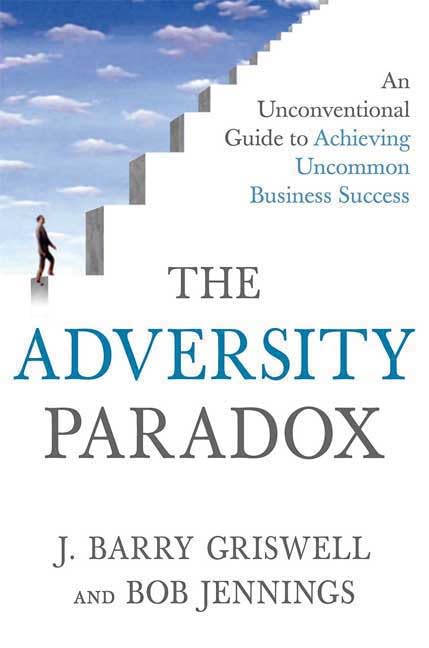
The Adversity Paradox
This is not a general “embrace hardship” book. It’s much more grounded than that. J. Barry Griswell writes from lived experience—losing his wife and leading a major company through crisis—and the message is sharper:
Adversity doesn’t automatically make you better. It forces a decision.
The Core Idea: Adversity Reveals Your Leadership
Griswell doesn’t romanticize struggle. He makes it clear—adversity can break you, stall you, or strengthen you. The difference comes down to how you respond, and, more importantly, who you decide to be in the middle of it.
That’s the paradox.
The same event that cripples one leader can elevate another. Not because of circumstance. Because of choice.
1. You Don’t Control the Event. You Control the Meaning.
Griswell’s life is the anchor here. Personal loss. Professional pressure. Real stakes.
His point is simple: you can’t choose adversity, but you can choose its meaning.
That meaning shapes your behavior. Your decisions. Your future.
Most people default to blame, frustration, or withdrawal. That’s easy.
Leaders do something harder. They interpret adversity in a way that moves them forward.
Question:
When something goes wrong, what story do you immediately tell yourself?
That story matters more than the event.
2. Values Get Real Under Pressure
It’s easy to talk about values when things are going well. It’s different when you’re under strain.
Griswell makes this point clearly—adversity exposes whether your values are real or just words.
Do you stay honest when it costs you?
Do you treat people well when you’re under pressure?
Do you lead with clarity when things are uncertain?
This is where leadership is tested. Not in theory. In behavior.
I’ve seen this play out across industries. Pressure strips away the noise. What’s left is who you really are.
3. Adversity Forces Growth—If You Let It
There’s a difference between going through something and growing through it.
Many people endure adversity. Few extract anything from it.
Griswell emphasizes reflection. Deliberate reflection.
- What did this experience teach me?
- Where did I fall short?
- What will I do differently next time?
Without that step, adversity becomes wasted pain.
With it, it becomes an asset.
4. Faith, Perspective, and Anchoring Yourself
A major thread in the book is Griswell’s reliance on faith—not in a narrow sense, but as an anchor.
When things fall apart, you need something that doesn’t.
For him, that was faith and a broader perspective on life beyond business outcomes. For others, it may be purpose, mission, or deeply held principles.
The point is the same: if your identity is tied only to success, adversity will shake you hard.
If it’s tied to something deeper, you stay steady.
5. Leadership Is Personal First
One of the strongest through-lines in the book is that leadership starts with self-leadership.
Before you lead a company, a team, or a family, you lead yourself.
Adversity exposes whether you can do that.
Can you manage your emotions?
Can you stay disciplined?
Can you make clear decisions when things are unclear?
This is not abstract. It shows up daily.
A Few Lines Worth Keeping
- Adversity doesn’t define you. Your response does.
- Values are proven under pressure.
- Growth requires reflection, not just experience.
Simple. But not easy.
Reflection Questions
- What recent adversity have you experienced—and how did you interpret it?
- Did your behavior under pressure align with your stated values?
- What did that experience teach you that you’ve actually applied?
- Where are you avoiding reflection because it’s uncomfortable?
- What anchors you when things don’t go your way?
- Are you leading yourself as well as you expect others to perform?
Final Thought
Adversity is coming. In business. In life. That’s a given.
The real question is this:
When it arrives, will it expose your weaknesses—or build your strength?
That choice is yours. Every time.
Make it count.
Author Background
J. Barry Griswell is the former Chairman and CEO of Principal Financial Group, where he led through significant growth and challenge. His leadership perspective is shaped as much by personal adversity as professional success. Bob Jennings, a longtime communications executive and speechwriter, helps translate those experiences into clear, practical lessons. Together, they deliver a grounded view of leadership forged in real conditions—not theory.