
Retention Point
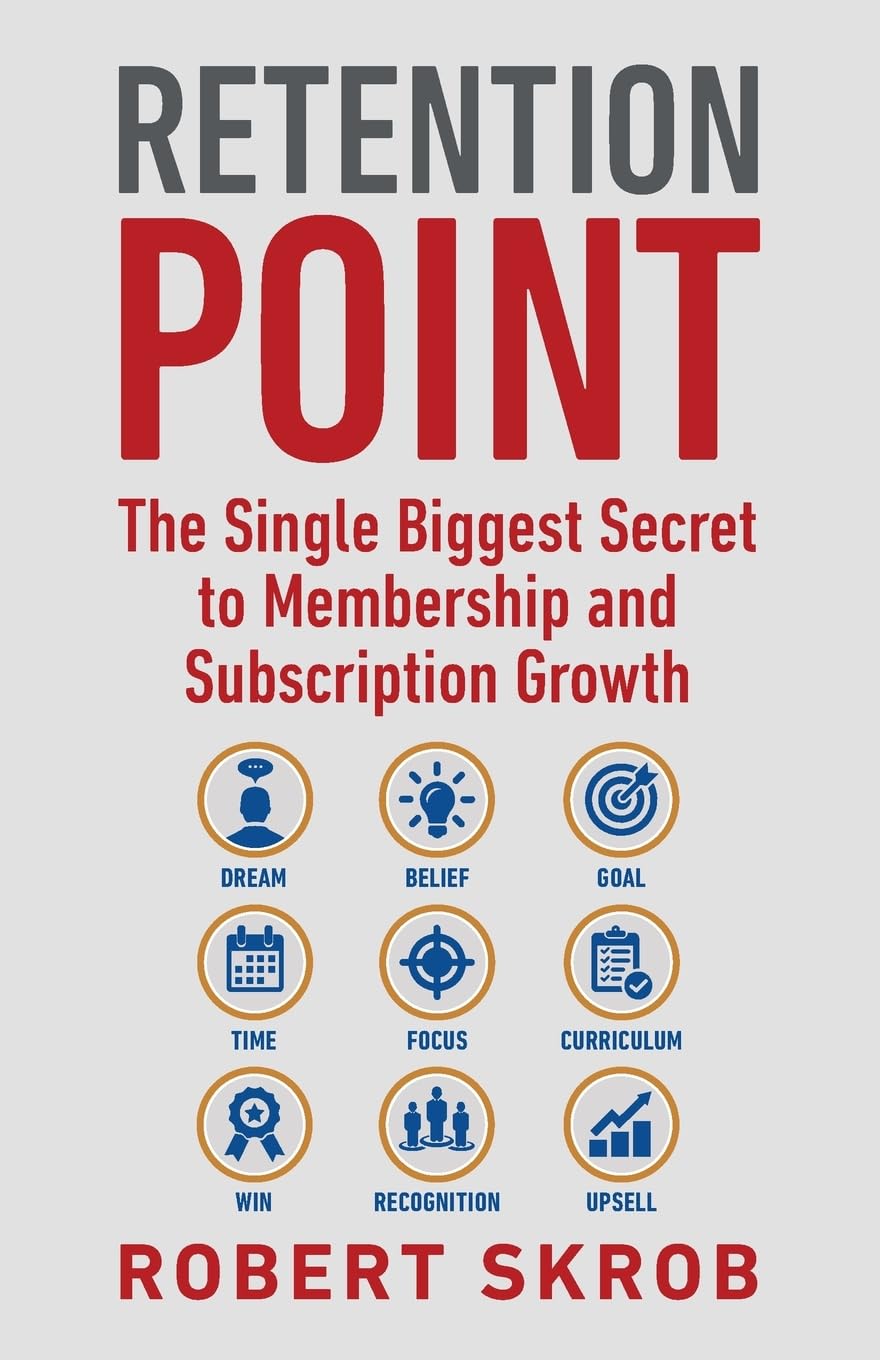
The Retention Point – Robert Skrob
Why this book matters
Most businesses think growth is the game.
More leads. More sales. More noise.
Robert Skrob makes a different argument. A better one.
Growth without retention is a leak. And most companies are leaking more than they realize.
I’ve watched this firsthand. You can build a strong business with average marketing if you retain customers well. You cannot build a strong business, long—term, if people don’t stay.
Retention is not a tactic. It’s the model.
The Core Idea: The Retention Point
Every business has a moment where a customer decides:
Do I stay—or do I leave?
That’s the Retention Point.
It’s not always obvious. It might happen:
-
After the first purchase
-
After onboarding
-
When expectations meet reality
Miss that moment, and you lose them. Quietly.
No complaint. No warning. Just gone.
The Shift: From Acquisition to Loyalty
Most companies over-invest in getting customers.
Very few invest in keeping them.
That imbalance shows up everywhere:
-
Heavy ad spend
-
Weak onboarding
-
Inconsistent experience
-
Little follow-up
Skrob pushes a simple shift.
Stop asking: How do we get more customers?
Start asking: Why do customers leave?
That question changes everything.
The Economics of Retention
Retention compounds. Acquisition doesn’t.
When customers stay:
-
Revenue becomes predictable
-
Costs go down
-
Referrals go up
-
Lifetime value increases
Lose them, and you restart the cycle. Expensive. Exhausting.
Short-term thinking always favors acquisition.
Smart operators think longer.
The Customer Journey Matters More Than the Sale
The sale is not the finish line.
It’s the starting point.
Skrob emphasizes mapping the entire customer journey:
-
First interaction
-
Purchase experience
-
Onboarding
-
Ongoing engagement
Where are the friction points?
Where do expectations break?
That’s where churn lives.
Delivering on the Promise
Here’s where most companies fail.
They sell one experience.
They deliver another.
That gap destroys trust.
Retention is the result of alignment.
What you promise must match what you deliver—consistently.
No exceptions.
Systems, Not Luck
Retention doesn’t happen by accident.
It requires systems:
-
Clear onboarding processes
-
Regular communication
-
Feedback loops
-
Measurable checkpoints
You cannot “hope” customers stay.
You design for it.
The Power of Continuity Programs
Skrob comes from the world of subscriptions and memberships.
His insight is clear. Recurring relationships—when done right—create stability and scale.
But they only work if:
-
Value is ongoing
-
Engagement is consistent
-
Trust is maintained
Otherwise, churn accelerates.
Fast.
Practical Takeaways
-
Identify your true retention point
-
Audit your onboarding experience
-
Track where customers disengage
-
Close the gap between promise and delivery
-
Build systems that reinforce value over time
And this one matters most.
Talk to your customers who left.
They’ll tell you everything.
Reflection Questions
-
Where do most of your customers drop off—and do you know why?
-
What experience are you selling versus actually delivering?
-
How strong is your onboarding process, really?
-
Are you measuring retention—or just sales?
-
What would make your best customers stay longer?
-
When was the last time you spoke to a lost customer?
-
Are you building a business or constantly refilling a bucket with holes?
Be honest. This is operational truth.
About the Author
Robert Skrob is a marketer and business strategist known for his work in subscription-based businesses and retention strategies. He has helped companies build recurring revenue models and improve customer lifetime value through practical systems and disciplined execution.
He focuses on what most ignore.
That’s where the leverage is.
Final Thought
You don’t build a great business when someone buys.
You build it when they come back.
And then come back again.
Fix retention. Everything else gets easier.