
St. Patrick, My Mom, the Pandemic and You
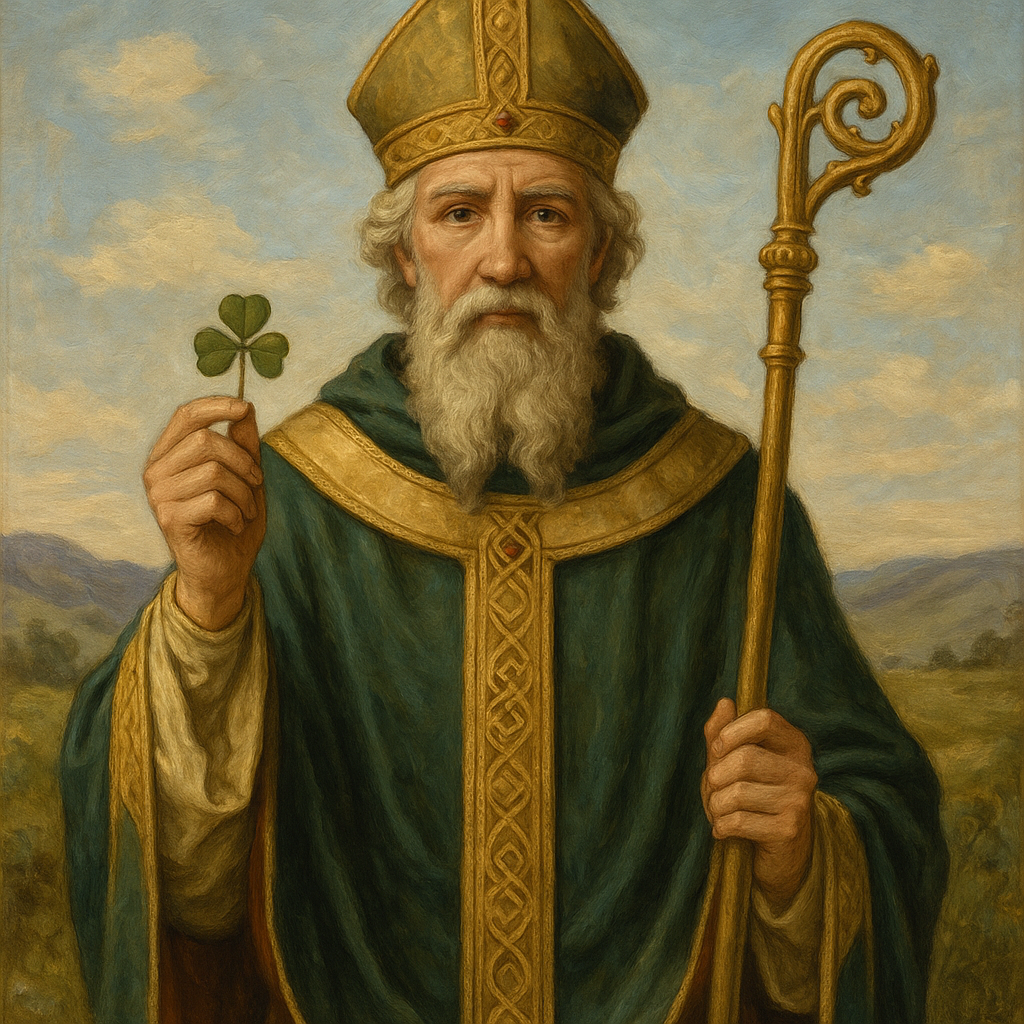
Today is Saint Patrick’s Day. Every year this day makes me think about my mom. She loved to celebrate every holiday, but especially this one. One of the things I most admired about my mom was that she spent her life worrying about the needs of other people rather than being myopically focused on her self-interest. One could argue she did this to a fault. I, for one, feel blessed that she was my mother and personally benefited from who she was. I was also fortunate to have her as a role model and learned from an early age that you should consider the impact of your actions on others before simply plowing forward. She often said to me, “Just because you can do something doesn’t mean you should…”
It seems like there are two types of people in life. There are those who always look at things from the perspective of how it affects “them first,” then consider the interests of others. Then there are people like my mom, who always think about “others first” and then worry about their own consequences later. I believe that the appropriate balance between these two mindsets leans in the direction of my mom, though few people could take it to her (or St. Patrick’s) degree. Sadly, COVID-19 has only amplified the difference between these two modes of thinking.
I’m concerned that there are people out there who still believe they’re wearing a mask mostly to protect themselves and that it should be optional. In reality, you’re wearing a mask to protect others, especially the most vulnerable among us, and hopefully yourself as well. Yes, science has changed (as it always does) as we’ve learned more, but there is no reputable scientist who would advocate going completely mask-free or interacting socially without some group size constraints. Yes, you may have limited risk to yourself (although this is still a questionable bet); however, you are certainly protecting those who may have encountered you because they could be much more susceptible. Unfortunately, you may not even know you are carrying a potentially fatal virus that could harm another. I find it perplexing that the situation has become an issue of individual freedom versus collective responsibility. Is your freedom worth someone else’s grandparents or other loved ones? Like far too many others, my family has lost a loved one to this insidious virus.
I have experienced numerous moments of frustration and feelings of isolation over the past year. I’ve wanted to say, “the hell with it,” and do what I want. I’ve even looked for inconsistencies in the news to offer me some justification for easing my own restrictions. There are also many individuals in certain parts of the media who exploit these vulnerabilities and disseminate junk science, flawed data analysis, and misinformation to advance their own careers and/or profit. Thankfully, I’ve mostly been able to reflect, lean back on my faith, and think it through first. I am striving not to be manipulated by someone else’s naked targeting of my ego. Admittedly, it is not always easy to do the right thing. What I do know is that the health and safety needs of others should take precedence over my expectations for complete independence and freedom of movement.
If you are one of those people who tend to think of yourself first, please consider this: unless we work collectively to combat this virus, it has the potential to mutate and create a strain that one day, science may not be able to address. Then you may become more at risk yourself. If your family has been spared grief, it may sneak up on them, and you won’t know until it’s too late. The government doesn’t have unlimited funds. The financial well could run dry as we drag the pandemic out unnecessarily through poor execution of public health guidelines and kowtowing to ill-informed public adversaries. The best defense against this pandemic is to quickly achieve herd immunity through vaccinations and safe, often selfless, behaviors. Yes, sacrifice does entail some level of suffering, but it is insignificant compared to a pandemic that has the potential to wipe us all out, linger forever, and cause ongoing harm, or, at the very least, accelerate an already unimaginable death count.
St. Patrick returned to Ireland after escaping slavery to spread his faith to the island. He believed there was a greater good that was more important than his personal needs or fears. We often forget this fact and view this day as just one big excuse for a party, but it is instead based on the incredible faith, courage, and unselfishness of one man. While we may not all possess the individual capacity for sainthood, we can certainly strive to be more disciplined, considerate, and caring in our actions. We can even put the needs of total strangers above our own desires and hopes for a reality that no longer exists (and won’t until we get our act together).
Previous generations have had to confront more difficult challenges without anywhere near our current scientific or economic advantages. My mom (and dad) lived through The Great Depression and multiple recessions, globally threatening illnesses like Polio and Tuberculosis, world wars, and significant socio-political upheaval. I never once heard her complain; instead, she looked for the good in others and did her best to bring out the best in herself. This pandemic (and life in general) isn’t about you, but instead about how you affect the environment and people around you. This has always been the test of a virtuous life. St. Patrick and my mom knew this, and that is why I acknowledge them today.
