
The Reformer’s Discipline – A Leadership Conversation with Tokugawa Yoshimune
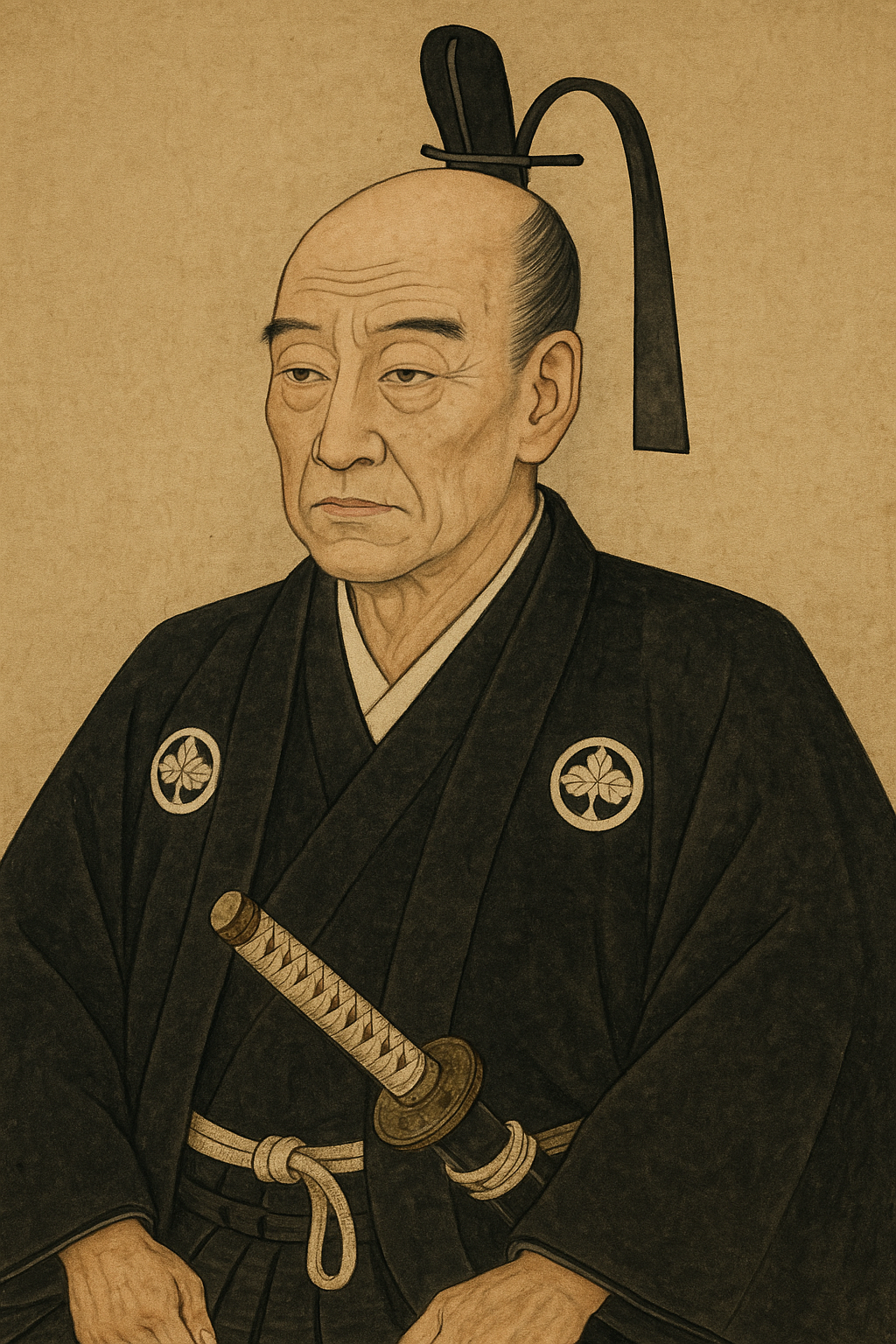
“True leadership is not found in the power one wields—but in the temptations one resists.”
As I continue my fictional leadership conversations with leaders from the past, I’ve enjoyed expanding my knowledge of different leaders from different cultures and time periods. It has been both invigorating and enlightening. Japanese culture has always fascinated me. I only recently learned about Tokugawa Yoshimune (1684–1751). He was the eighth shogun of the Tokugawa shogunate, is remembered as one of Japan’s most capable leaders. Ruling from 1716 to 1745, he came from a lesser branch of the Tokugawa family and took power during a time of financial trouble. To address these challenges, he launched the Kyōhō Reforms—initiatives aimed at making the government more efficient, boosting agricultural production, and strengthening the nation’s finances. Yoshimune also promoted education, worked to reduce corruption, relaxed some limits on importing Western books, and supported traditional crafts like sword-making. His efforts brought a period of renewed stability to the shogunate and encouraged both learning and innovation in Edo-period Japan.
This felt like a relevant discussion for our current times, no matter what your perspective…
The Setting
A quiet study inside Edo Castle, early evening.
Scrolls of rice yields, tax policies, and weather reports are stacked neatly on a low table. The scent of cedar and ink floats in the room. Tokugawa Yoshimune, dressed plainly for a shogun, sits cross-legged on a mat—alert, thoughtful, and free from ceremony.
He gestures for tea. When he speaks, his voice is calm, precise, and completely without arrogance.
Humble Beginnings and the Roots of Duty
On Growing Up in Hardship
Me: You were not born into wealth or direct succession. How did those early years shape the man you became?
Tokugawa Yoshimune:
I worked the fields with my own hands. I wore robes patched many times. That kind of life teaches more than courtly education ever could.
I learned to respect every grain of rice. I remembered the weight of drought, the silence of an empty granary. So when I became shogun, I led not from comfort, but from memory.
A ruler should know hunger—so he never lets his people feel it.
On the Responsibility of Leadership
Me: What did leadership mean to you when you assumed power?
Tokugawa Yoshimune:
Leadership meant restoring balance without breaking the vessel.
I did not come to revolutionise—I came to repair. The treasury was strained. Officials were complacent. The people were burdened by outdated practices. But change must come like rain—steady, nourishing—not like a flood.
To lead is to serve. Quietly. Daily. Without applause.
Reform, Resistance, and National Vision
On His Economic Reforms
Me: Your Kyoho Reforms were wide-reaching. Why were they necessary?
Tokugawa Yoshimune:
Because peace, if not maintained, becomes decay.
The samurai class was idle and indebted. Farmers were overtaxed. Merchants were quietly amassing power. I reduced luxuries, simplified court life, and asked samurai to learn new skills—even farming.
The reforms weren’t popular. But they were essential. You cannot govern a hungry nation with a silk fan.
On Encouraging Learning and Science
Me: You supported rangaku—Western studies. Why allow foreign knowledge when others feared it?
Tokugawa Yoshimune:
Because wisdom has no nationality.
I permitted Dutch medicine and astronomy not because I wanted to abandon our culture, but because our people deserved health and understanding.
I saw no danger in learning. Only in ignorance.
On Facing Resistance
Me: Did you face pushback from those resistant to your changes?
Tokugawa Yoshimune:
Of course. Change always offends the comfortable.
But I welcomed criticism—it kept me sharp. I reminded my critics that tradition must serve the people, not imprison them. I didn’t seek popularity. I sought results.
A sword must be sharpened. So must a society.
Reflection, Restraint, and the Weight of Power
On Regret
Me: Do you carry any regrets from your time as shogun?
Tokugawa Yoshimune: (He pauses.)
Yes.
I regret silencing certain voices—too bold, too soon. I regret not doing more to prepare my successors for a world that was changing faster than they realized.
And I regret that in my pursuit of duty, I sometimes forgot to be human. I rarely laughed. And sometimes, I should have.
On His Guiding Principles
Me: What values anchored your decisions through chaos and change?
Tokugawa Yoshimune:
Frugality. Diligence. Justice.
I refused waste. I read every report. I rose early and worked longer than my courtiers. And I never let convenience replace fairness.
My authority was not mine. It belonged to the people.
On Ego and the Temptations of Power
Me: How did you guard yourself against the ego that corrupts many rulers?
Tokugawa Yoshimune:
By remembering where I came from—and where I would return.
Ego grows like mold in still air. I walked among farmers. I studied failures of past shoguns. I reminded myself daily that leadership is service—not self-importance.
I refused monuments. I asked to be buried plainly. Because when you need statues to be remembered, you ruled for the wrong reasons.
On Leadership Traps
Me: What are the greatest traps leaders must avoid?
Tokugawa Yoshimune:
First: comfort. Peace makes rulers lazy.
Second: isolation. If you stop listening, you start guessing—and guessing leads to failure.
Third: nostalgia. Many rulers try to recreate the past instead of preparing for the future.
A wise leader knows his shadow. And watches it carefully.
On the West
Me: What were your personal thoughts on the West and its influence?
Tokugawa Yoshimune:
The West brought tools—and ambition.
I admired their science, but not their conquest. I allowed study but guarded sovereignty. Japan must learn—but on her own terms.
Foreign knowledge is a blade. It can heal—or wound.
Yoshimune’s Code – Advice to Future Leaders
Me: What would you pass on to future generations of rulers?
Tokugawa Yoshimune: (He leans forward slightly.)
- Serve, don’t shine. Seek impact, not applause.
- Lead with memory. Never forget what it means to be governed.
- Embrace reform slowly. Haste burns even good ideas.
- Guard against ego. Silence it daily.
- Study all. Discard none. Knowledge is not a threat—it is a tool.
- Favor merit. Ignore flattery. Choose who is right—not who is near.
- Prepare others. Lead in a way that leaves your successors wiser, not overwhelmed.
The Farewell
Yoshimune stands, quietly brushing a leaf from his sleeve. There is no ceremony—only completion. He turns to me and speaks one last time.
Tokugawa Yoshimune:
To rule is not to command.
It is to endure. To adapt. And when your work is done, step away without needing thanks.
